


According to recent studies, paper straws, once hailed as an eco-friendly alternative to plastic, may contain higher levels of harmful “forever chemicals” known as PFAS, challenging their perceived environmental benefits and raising concerns about potential health risks.
PFAS Contamination in Paper Straws
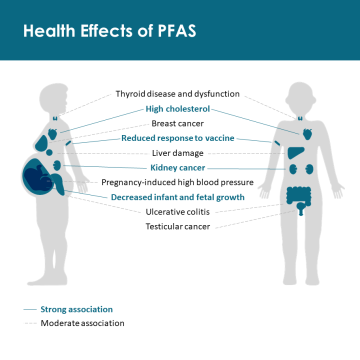
Recent research has revealed alarming levels of PFAS contamination in paper straws, with 90% of tested paper straws containing these “forever chemicals”. PFAS, or per- and polyfluoroalkyl substances, are synthetic compounds known for their water-repellent properties but also for their persistence in the environment and potential health risks. The presence of PFAS in paper straws is particularly concerning as these chemicals can leach into beverages, potentially exposing consumers to toxins with each sip.
- PFAS were detected in 80% of bamboo straws and 75% of plastic straws, indicating widespread contamination across alternative straw materials.
- Perfluorooctanoic acid (PFOA), a banned substance since 2020, was the most commonly found PFAS in the tested straws.
- The chemicals’ presence in paper and bamboo straws suggests these products are neither biodegradable nor suitable for human consumption, contradicting their eco-friendly marketing.
- While PFAS concentrations in straws were generally low, they contribute to the overall chemical burden in the human body, which is already exposed to numerous toxic compounds.
Lignin vs Paper Straws

Lignin-based straws offer significant advantages over traditional paper straws, making them a superior eco-friendly alternative. Unlike paper straws, which often become soggy and lose structural integrity when exposed to liquids, lignin straws demonstrate excellent hydrostability and mechanical performance. This is due to the unique properties of lignin, which acts as a natural binder when melted and infiltrated into the cellulose network during the manufacturing process. Key benefits of lignin straws include:
- Higher durability and strength compared to paper straws.
- Improved water resistance without the need for additional wax coatings.
- Lower production costs due to the use of readily available, sustainable materials.
- Natural biodegradability, making them environmentally friendly.
- Potential for additional applications beyond straws, such as in short-life electronics and healthcare devices.
Moreover, lignin straws address the concerns associated with PFAS contamination found in many paper straws, offering a safer alternative for consumers while maintaining eco-friendly credentials.
Conclusion
In conclusion, lignin straws present a compelling case for sustainability, offering significant environmental advantages over traditional paper straws. By leveraging a byproduct of the pulp and paper industry, lignin straws not only minimize the need for additional resource consumption but also reduce carbon emissions by repurposing materials that would otherwise be waste. Their natural biodegradability supports both home and commercial composting, leaving no harmful residues behind. Moreover, the production of lignin straws avoids the use of toxic chemicals and waterproofing agents, which contributes to a lower chemical footprint and less environmental contamination. Their enhanced durability and resistance to water also mean they last longer in use, further decreasing the cycle of waste. For eco-conscious consumers looking to make a positive impact, choosing lignin over paper straws is a clear step towards more sustainable living.


