


The right plastic-free straw is not the one that sounds greener. It is the one that fits the drinks, survives service and still makes procurement sense.
Too many products are sold with the same vague language: eco-friendly, biodegradable, compostable, sustainable. That sounds fine until the straw actually hits the glass.
This guide is for hospitality buyers who need to match material, diameter, performance and supply reliability to real service conditions rather than label-driven marketing.
Key takeaways
- Hospitality buyers should start from service conditions, not from generic sustainability claims.
- Drink type, size, rigidity and duration in the glass all matter before material stories become useful.
- Documentation should be checked before price, otherwise cheap options often become expensive service mistakes.
- The best suppliers understand use cases, not just product categories.
Start with the service, not the slogan
The biggest buying mistake is choosing straws based on category labels alone. If your venue serves cocktails, long drinks, soft drinks with ice, smoothies, bubble tea or event-format beverages, then you are not buying one abstract “straw.” You are buying a service tool for a specific environment.
A product that works in a fast-moving soft drink setup may fail in a cocktail that stays on the table. A straw that looks fine in product photography may feel weak halfway through an event. So the first step is not material. The first step is use case.
Match the straw to the drink menu
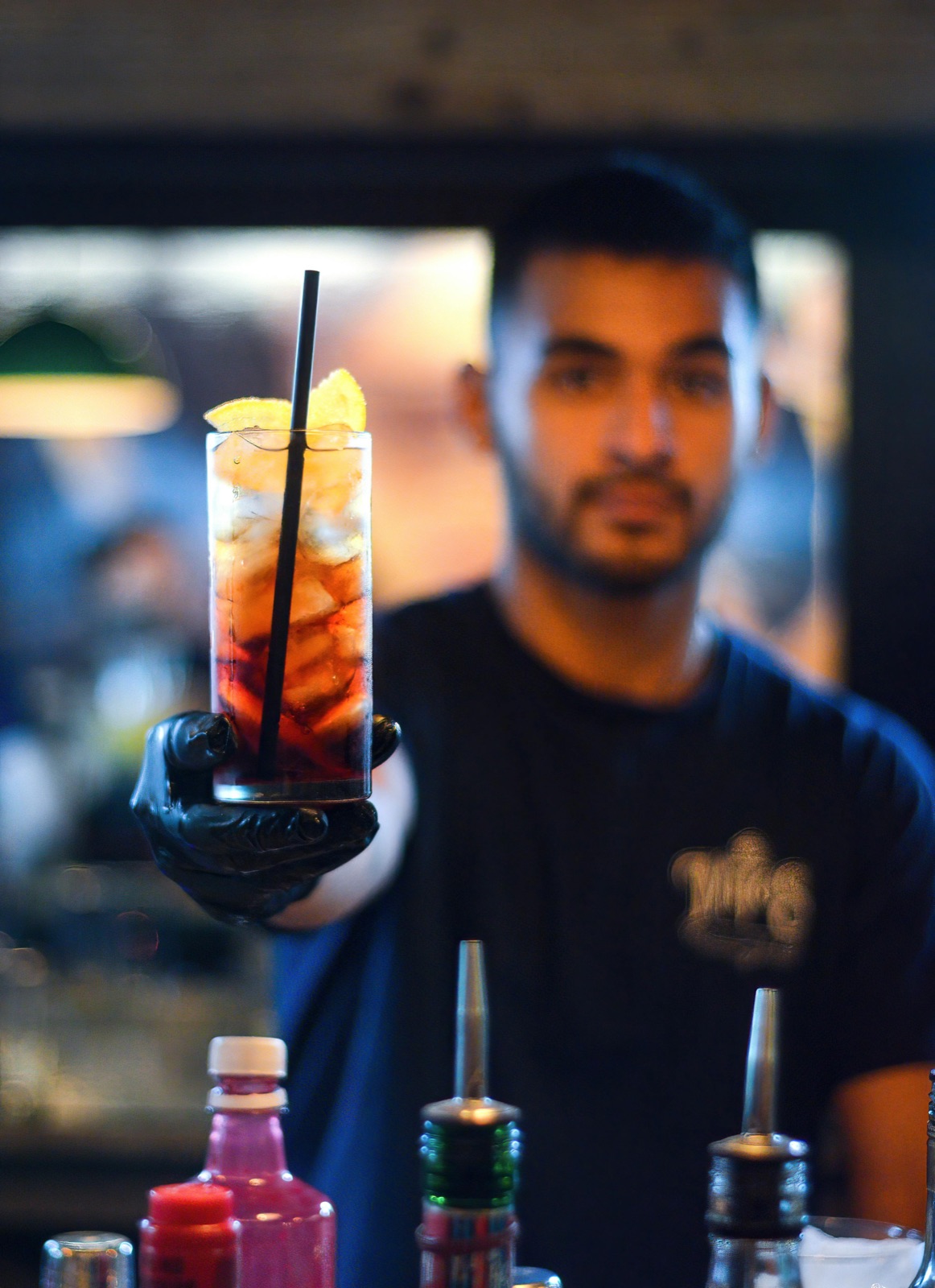
Before comparing suppliers, map the venue’s actual drinks. Cocktail bars usually need slimmer diameters, stable rigidity and a product that still looks intentional late in the drink. Clubs and high-volume venues need speed, consistency and stock handling that does not create complaints under pressure.
Events and catering need predictable supply and acceptable performance in shorter service windows. Smoothies and bubble tea usually need larger diameters and stronger structural performance from the start. Many businesses still buy one generic option and hope it works across everything. That is weak procurement.
Check the material, not just the label
Terms like biodegradable and compostable are used too loosely. Paper also tells you less than buyers assume. A serious buyer should understand what the product actually is, how it is meant to be disposed of, and how it behaves in a drink.
At minimum, ask whether it is paper, a plant-based compostable material, a fibre-based plastic-free material, and what the actual performance claim is. The more premium the venue, the less useful generic sustainability language becomes.
Buyer note
If the product page sounds convincing but the supplier cannot explain the material clearly, the listing is already weaker than it looks. Buyers should never rely on category words alone.
Performance matters more than category labels
For hospitality, performance should be checked across four dimensions: stability in cold drinks, drinking comfort, fit with service duration and brand fit. If the straw loses rigidity too quickly, the label stops mattering.
Guests notice texture. A straw that becomes fibrous, bends awkwardly or looks degraded lowers the perceived standard of the serve even if it remains technically usable. This is where ChefPac’s positioning becomes more useful: not eco as an abstract virtue, but plastic-free lignin straws built for beverage service.

Check documentation before you check price
Price matters, but if you start there, you often buy the wrong product. First check food-contact compliance, compostability or biodegradability documentation, clear material description and disposal guidance. Then compare unit cost.
That order matters because a low-cost straw that generates complaints, degrades before the drink is finished or forces a second purchase for another drink type is rarely a strong buying decision.
Ask the supplier the questions that expose weak listings
- What material is the straw made from?
- Which compliance or certification documents can you share?
- How long does it hold up in cold drinks?
- Which lengths and diameters do you offer?
- Can you support wholesale orders across the EU?
- What is the best option for cocktails, soft drinks, smoothies or bubble tea?
Weak suppliers usually fail at least one of these: they cannot describe the material clearly, they use sustainability words without proof, they do not understand the service use case, or they cannot support repeat supply.
The practical takeaway
Choosing plastic-free straws should not start with aesthetics or price alone. It should start with what you serve, how long the drink lasts, what your guests notice and what your supplier can prove.
That is the difference between buying a compliance placeholder and buying something that actually works in a bar.
FAQ
What are the best plastic-free straws for bars?
The best option depends on menu type, drink duration, guest expectations and service level. For many bars, the strongest options are the ones that combine compliance, good mouthfeel and stable performance in cold drinks.
How should I choose straws for cocktails?
Focus on rigidity, comfort, finish and performance over time. A cocktail straw should still feel intentional after the drink has been sitting for a while.
Are paper straws good enough for events?
Sometimes yes, especially in short-service and high-speed formats. But not every event has the same demands, and performance still matters if drinks sit longer or guest experience is more premium.
What should hospitality buyers ask straw suppliers?
Ask about material, certifications, service performance, available sizes and supply reliability across the markets you serve.
Why does straw size matter so much?
Because different drinks require different diameters and lengths. A poor size match creates an immediate service problem even if the material itself is acceptable.
Ready to compare against your actual drinks?
The fastest way to choose well is to test the straw in the menu it is supposed to serve, not in abstract. Start with format, performance and proof.


